Pruning vs topping: why the difference matters
· Tree Fellas Christchurch
Every year, plenty of Christchurch trees get topped — their crowns lopped off at an arbitrary height in the hope of keeping them small. It looks decisive. It is also one of the most damaging things you can do to a tree, and it usually makes the original problem worse.
A topped tree responds the only way it can: by throwing out dozens of fast-growing shoots from just below each cut. These water sprouts grow metres in a season, but they attach weakly to the stub. Within a few years you have a bigger, uglier canopy made of poorly attached wood — exactly the kind of growth that snaps off in a nor'wester.
The cuts themselves are a problem too. Topping leaves large wounds the tree can't compartmentalise properly, opening the door to decay that hollows the trunk from the inside. A topped tree is often a countdown to an expensive removal.
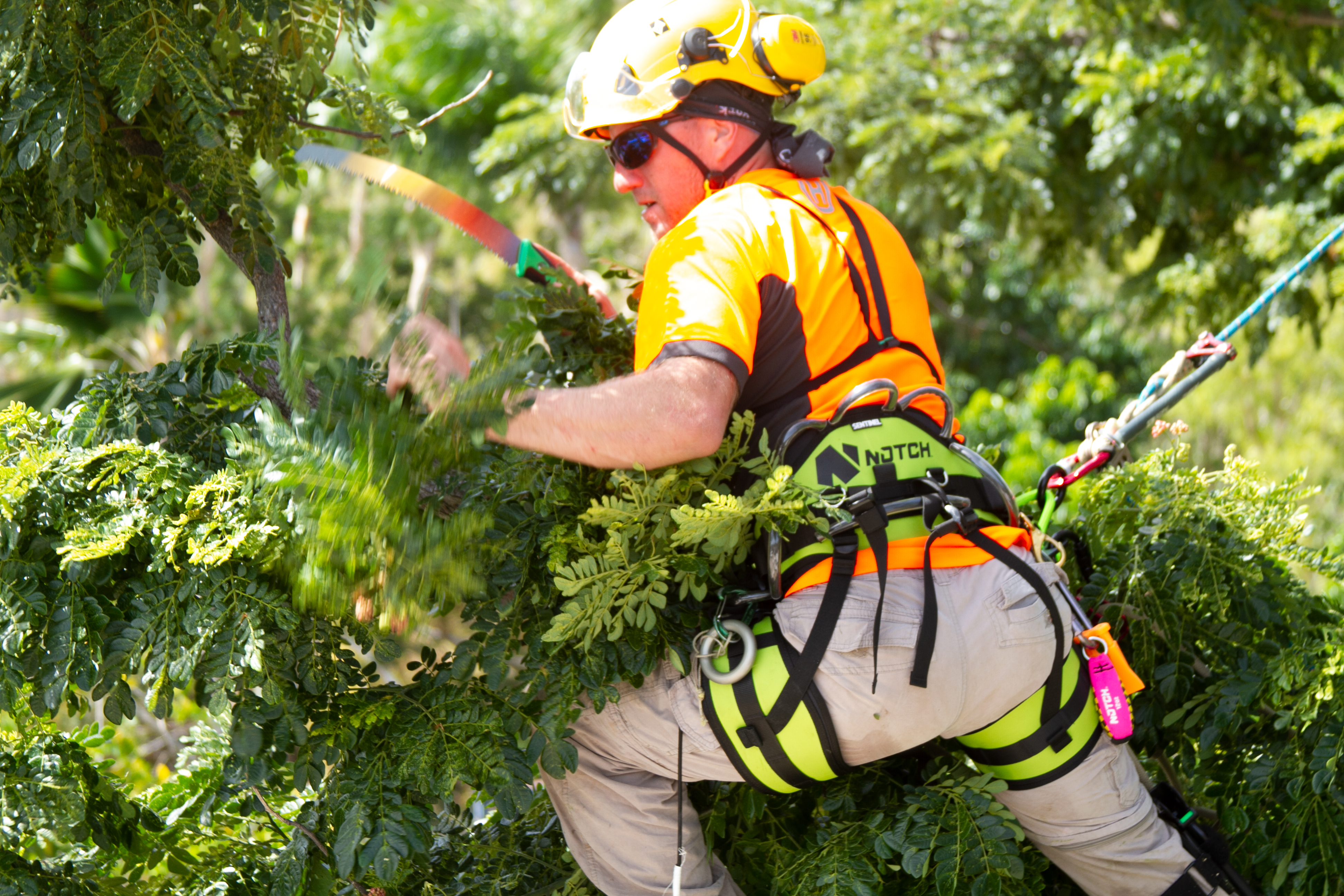
Proper reduction works differently. Instead of cutting to nowhere, each limb is shortened back to a strong lateral branch that can take over as the new leader. The canopy gets smaller and lighter, but every cut has a future — the tree keeps a natural shape, the wounds are sized to heal, and regrowth is moderate and well attached.
Reduction costs more than topping on the day, because it takes longer and demands more skill. But a topped tree needs corrective work within a couple of seasons and often an early removal within a decade. Done once and done right, reduction is the cheaper option over the life of the tree — and you get to keep a tree worth looking at.