
Getting your trees ready for Canterbury wind
· Tree Fellas Christchurch
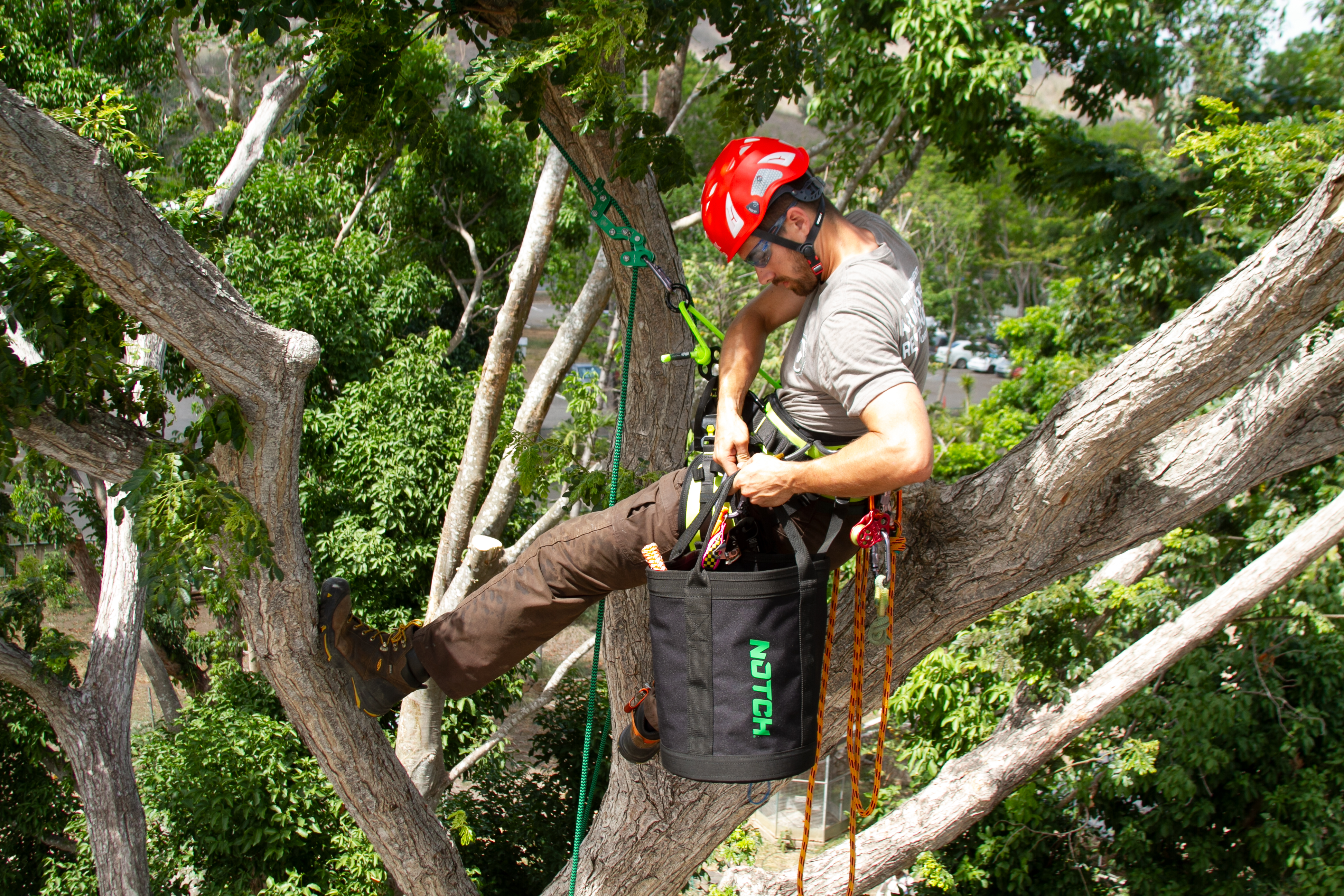
Canterbury wind is a fact of life, and it finds every weakness in a tree. The nor'wester arrives hot and gusty, shaking crowns violently; the winter southerly brings cold, heavy gusts that snap deadwood like kindling. Most storm damage is predictable — the same kinds of defects fail in the same ways, year after year.
Dead branches are the first thing to go. Dead wood is brittle, with none of a living limb's flexibility, so it breaks off and becomes a projectile. A walk around your trees after leaf-fall makes deadwood easy to spot: bare, grey limbs in an otherwise full canopy, bark peeling off in sheets, or branches that snap instead of bending.
Overextended limbs are the second classic failure. A long horizontal limb acts as a lever, multiplying the wind's force at its attachment point. Limbs over roofs, driveways, fences and play areas deserve a hard look — if one failed, what would it hit? Reducing their length takes the leverage out before the weather does.
Co-dominant stems — two trunks of similar size growing in a tight V — are the defect most homeowners never notice. Bark gets trapped in the union, the join stays weak no matter how big the tree gets, and one stem eventually peels away. An arborist can brace, reduce or remove the weaker stem while the tree is still young enough to adapt.
Autumn is the ideal time for a pre-winter check in Christchurch. The leaves are off deciduous trees so structure is visible, and there's still time to get work done before the worst of the southerlies. It's a small job that prevents the 2am emergency — and the insurance excess.