Hedge Trimming
Crisp, level hedges — from quick tidy-ups to bringing overgrown shelter belts back into shape.
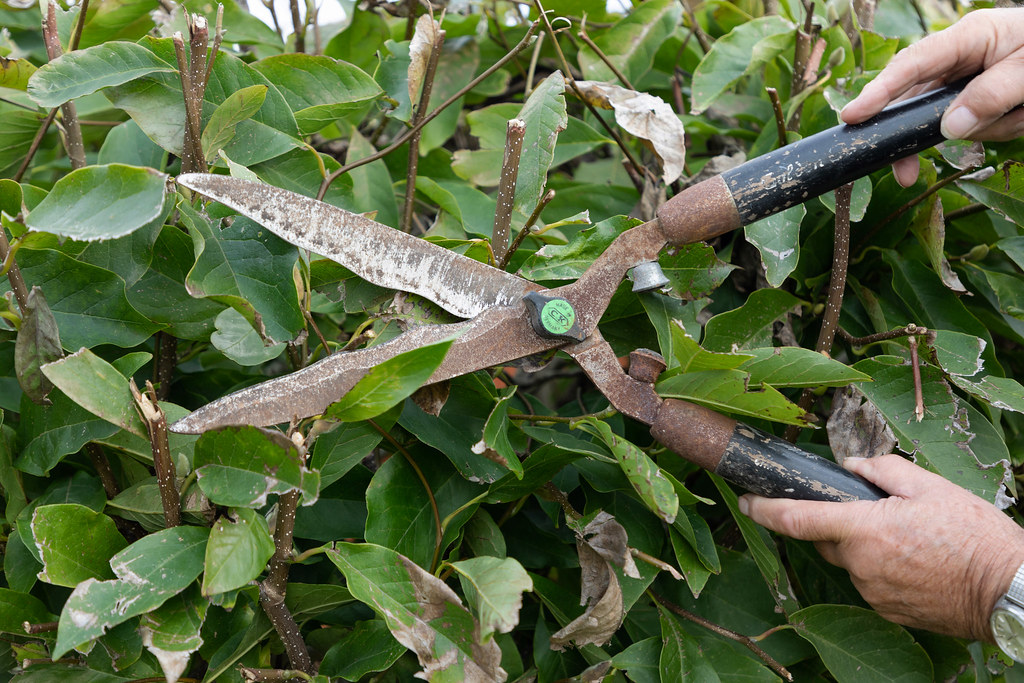
A sharp hedge lifts the whole property. It frames the section, gives privacy from the street and neighbours, cuts the wind and makes everything else in the garden look intentional. But hedges are unforgiving of neglect — skip a couple of seasons and you're dealing with a woody, top-heavy shelter belt instead of a garden feature.
Routine trimming keeps hedges dense from top to bottom. The trick is tapering the cut slightly — a touch narrower at the top than the base — so sunlight reaches the lower branches and the hedge doesn't go bare and leggy underneath. Level tops, straight sides and tidy ends are the visible result, but the taper is what keeps the hedge healthy year after year.
Different species need different handling. Native hedges like griselinia, pittosporum and corokia respond well to regular shearing and can be renovated hard if they've blown out. Macrocarpa and leylandii shelter belts need careful, regular topping to stay at a manageable height. Conifers such as totara or yew want a lighter touch — cut past the green into bare wood and some species simply won't shoot back.
Timing counts in Canterbury. Spring growth should be tidied before it hardens off, and late-summer trims need to leave the hedge hardened before the first frosts. Nesting birds are another consideration — we check hedges for active nests in spring and work around them.
Overgrown renovations are some of the most satisfying jobs we do: metres of bulk coming off, daylight returning to the garden, a hedge you can actually maintain again. And as with every job, all clippings are gathered and removed, with the paths swept and the lawns blown clean before we leave.
Questions we hear a lot
How often should hedges be trimmed?
Most fast-growing hedges like pittosporum, griselinia and photinia do best with two trims a year in Christchurch — once in spring and once in late summer. Slower hedges like yew or buxus usually need just one annual trim.
Can you save an overgrown hedge?
Often, yes — but it depends on the species. Many natives bounce back from hard renovation, while some conifers won't regrow from bare wood. We'll tell you honestly what your hedge is capable of before cutting.
Other services
Tree Pruning
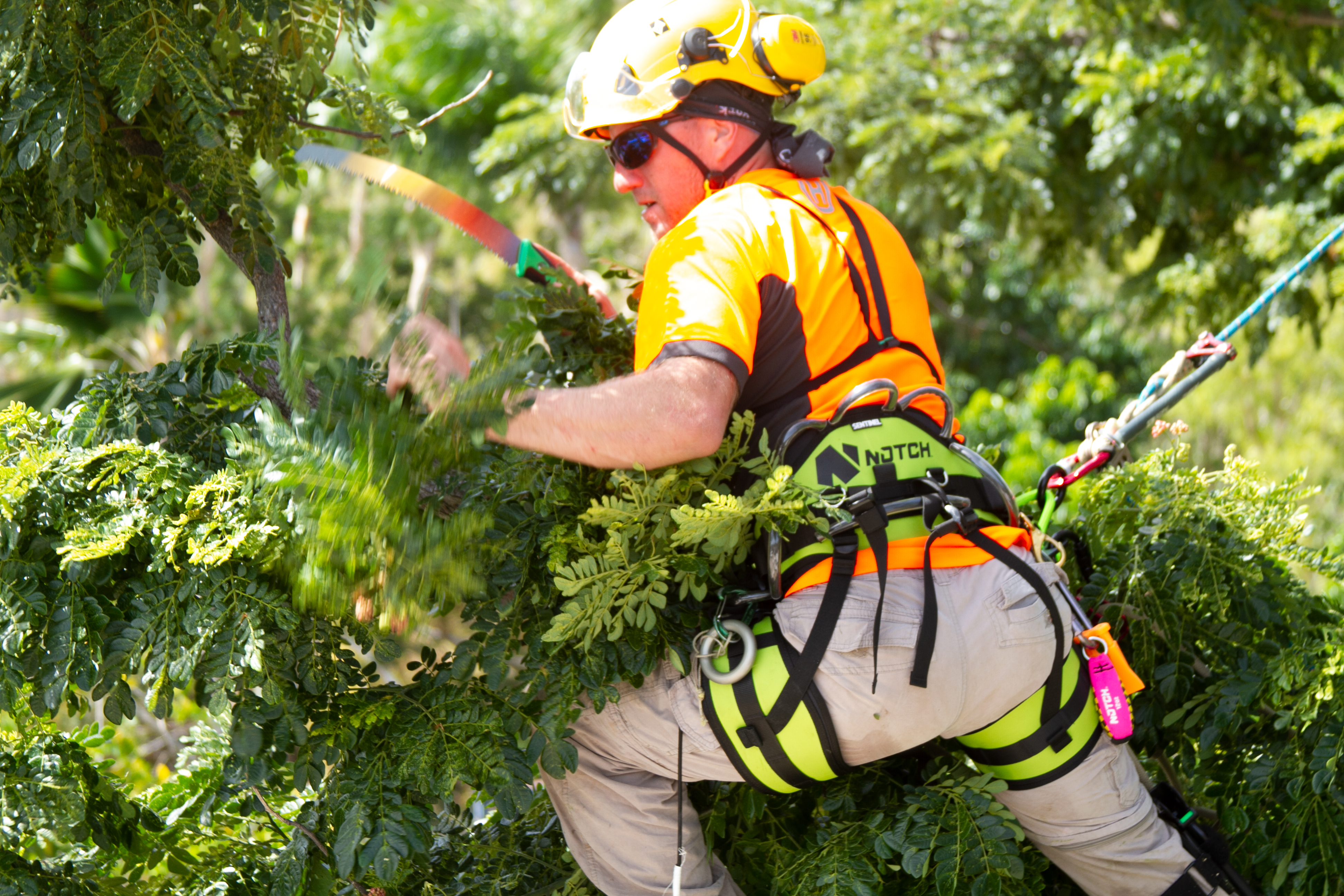
Careful, selective pruning that keeps your trees healthy, balanced and safe — without butchering their natural shape.
Learn more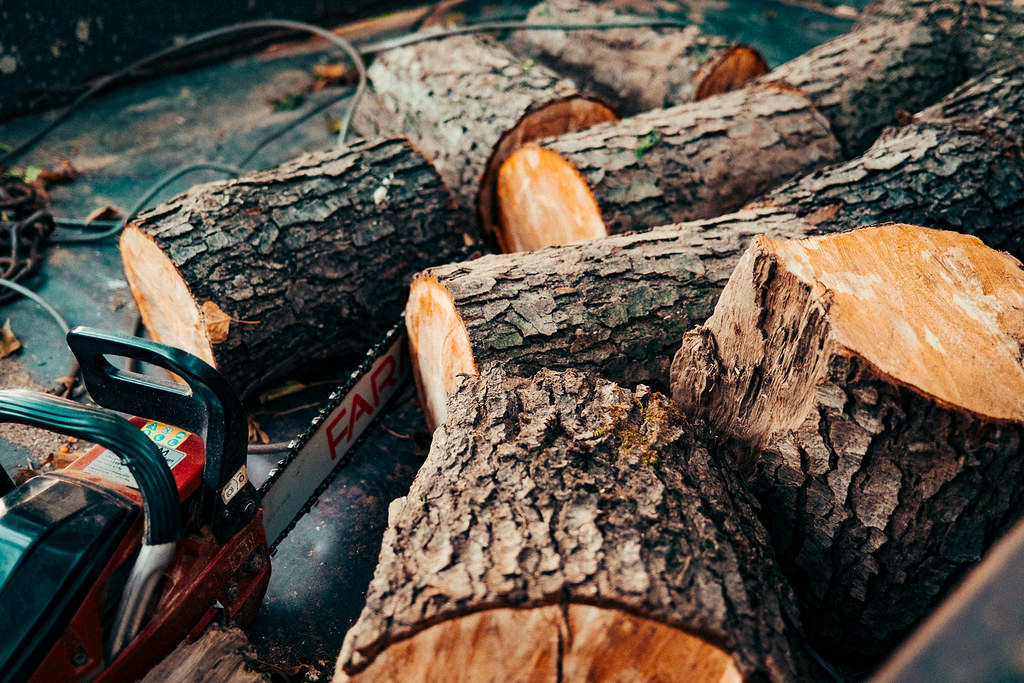
Tree Removal and Felling
Safe, controlled removal of dead, dangerous or unwanted trees — from tight suburban sections to open lifestyle blocks.
Learn more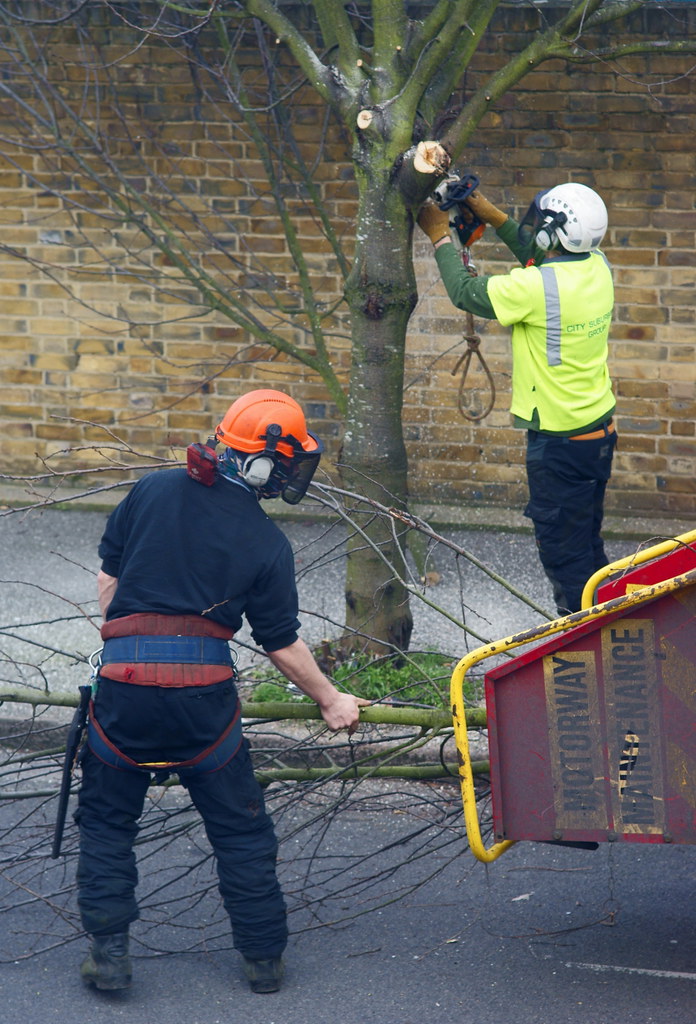
Tree Trimming and Canopy Work
Canopy shaping, weight reduction and clearance trimming that keeps big trees safe over homes, driveways and streets.
Learn more