
Stump Grinding
Stumps ground out below the surface so you can mow, plant or build over the spot — no digging up half the section.
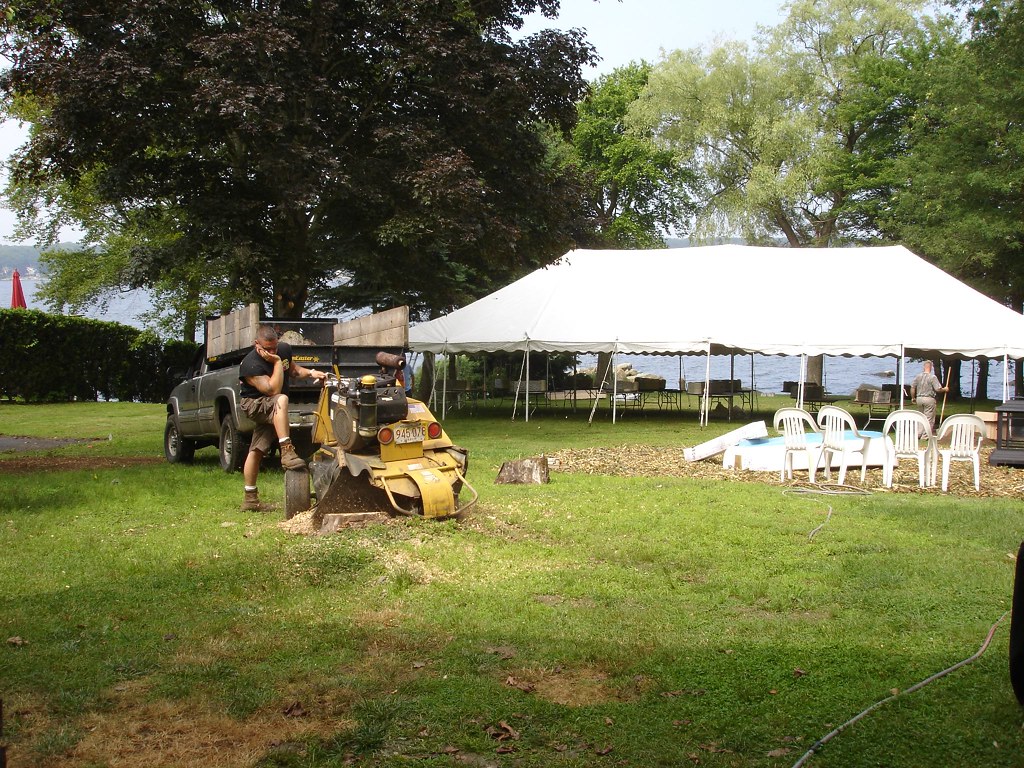
A leftover stump is more than an eyesore. It eats mower blades, trips people up, harbours borer and fungi, and sits exactly where you want the new lawn, garden bed or fence line to go. Digging one out by hand is back-breaking work on any stump bigger than a sapling — grinding is faster, cleaner and far less disruptive.
A stump grinder chews the stump down to well below ground level, turning solid wood into chips in a surprisingly short time. The machine tracks into position on the lawn with minimal marking, and the grinding itself is contained to the stump area — no trench across the section, no torn-up garden, no pile of clay to dispose of.
Old stumps vary. A fresh pine stump grinds easily; a twenty-year-old macrocarpa stump can be rock-hard and take longer. Surface roots radiating from the stump can also be chased and ground out so they don't keep sending up suckers or lifting the lawn edge. We assess each stump on arrival and tell you straight what to expect.
Access matters with grinding gear. The machine needs a path roughly a metre wide to reach the stump — through a side gate, across the lawn, around the shed. Most Christchurch sections are fine, but it's worth mentioning tight access when you get in touch so we bring the right-sized gear.
When the grinding is done, you're left with a patch of fresh chips mixed with soil where the stump was. Level it off, let it settle, and within weeks you can sow grass or plant straight into it. Many customers use the spot for a new tree — different species, better suited to the space — which feels like a proper fresh start.
Questions we hear a lot
How deep do you grind stumps?
Typically 150–300mm below ground level, which is enough to lay lawn, plant garden beds or spread bark over the top. Deeper grinding can be arranged if you're building or replanting a tree in the same spot.
What happens to the grindings?
The grindings mix with soil into a tidy mound that settles over a few weeks. You can keep them as mulch, or we can rake the area level and take the excess away.
Other services
Tree Pruning
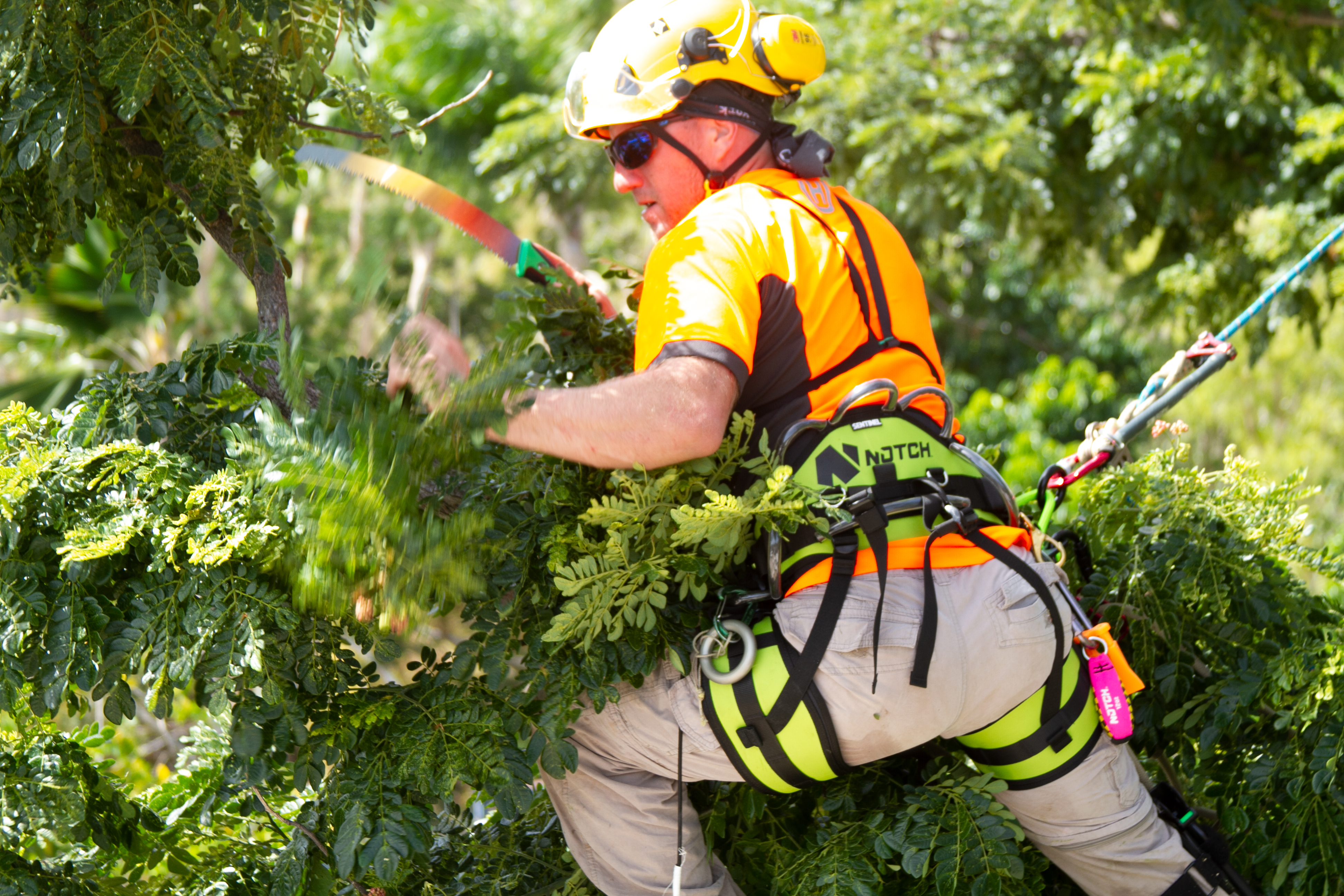
Careful, selective pruning that keeps your trees healthy, balanced and safe — without butchering their natural shape.
Learn more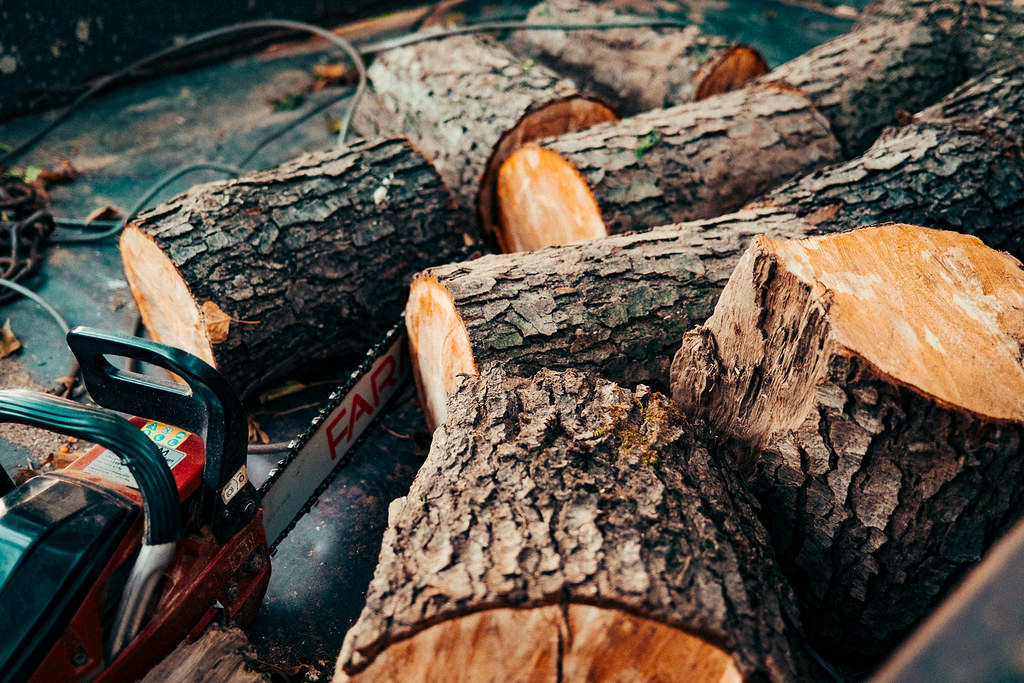
Tree Removal and Felling
Safe, controlled removal of dead, dangerous or unwanted trees — from tight suburban sections to open lifestyle blocks.
Learn more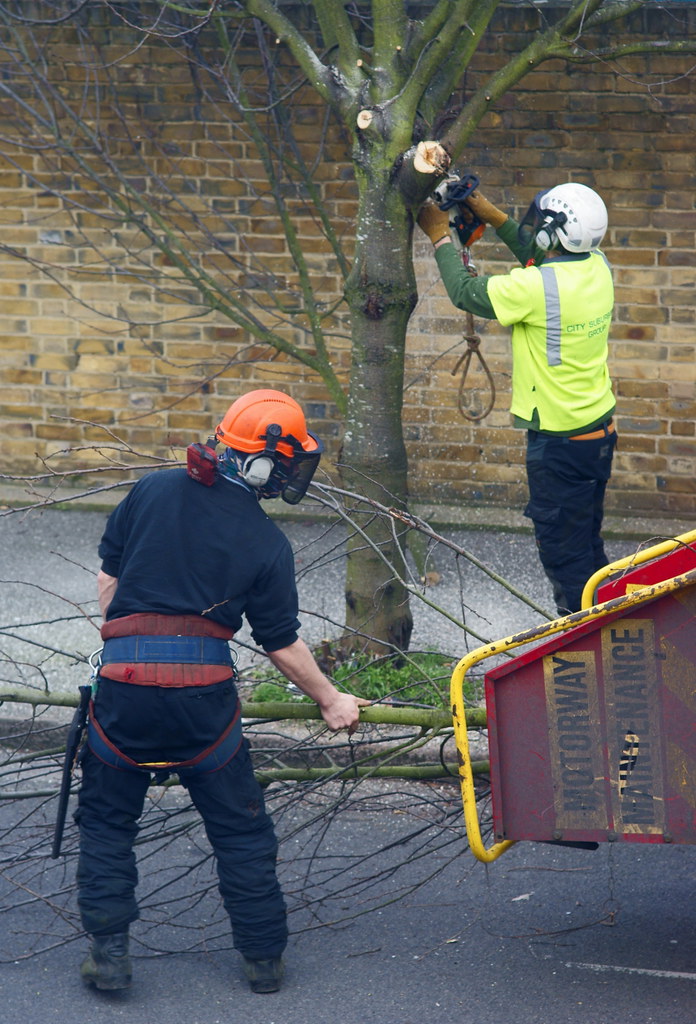
Tree Trimming and Canopy Work
Canopy shaping, weight reduction and clearance trimming that keeps big trees safe over homes, driveways and streets.
Learn more